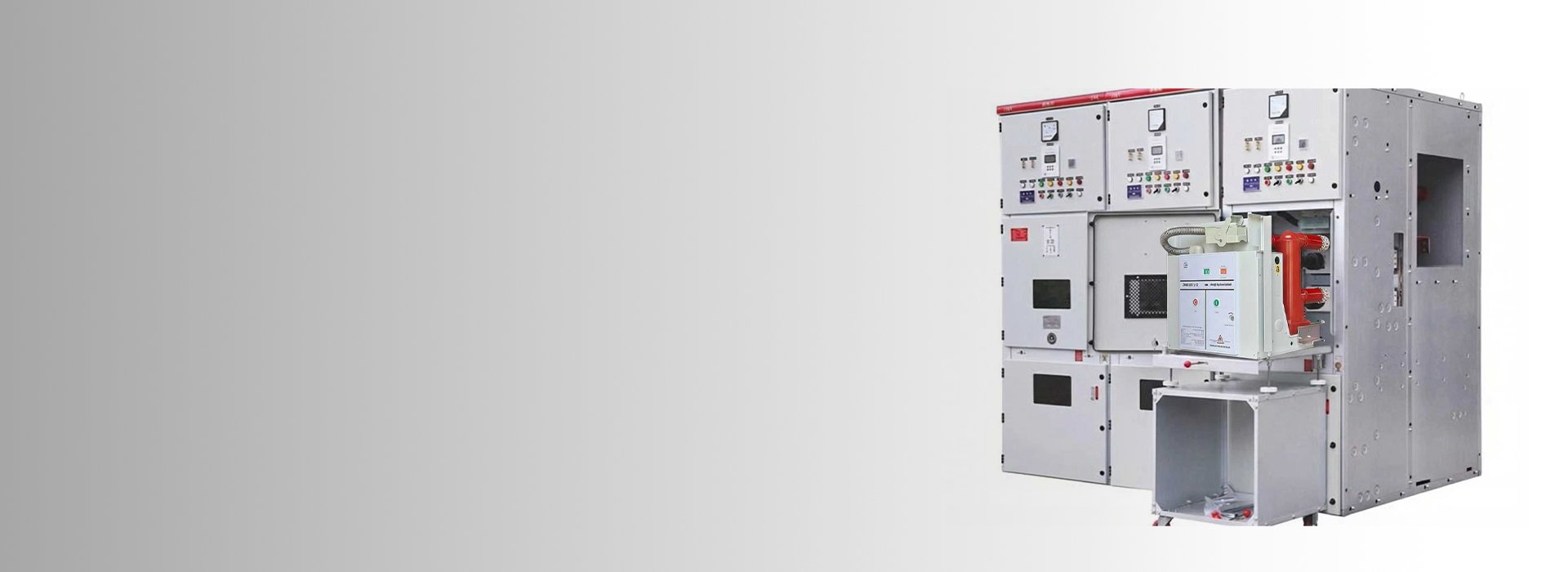
Yirong 11kV vacuum breaker is a reliable indoor high-voltage switch. It’s mainly used to control circuits and keep indoor power safe. The design is simple but strong. It runs steady every day, handles frequent switching with ease, and has great insulation. Plus, it doesn’t wear out easily, so upkeep is simple.
This breaker gives good protection for power circuits. It’s a great fit for factory distribution rooms, indoor substations, office buildings, housing areas, and city power grid projects.
We focus on making 11kV vacuum breaker. Our workers have been doing this for years, so the quality stays steady. During production, every step is checked — 100% tested. That way, each unit runs well out in the field for a long time. We also offer flexible options to fit different installation needs and setups.
Types of 11KV Vacuum Circuit Breaker
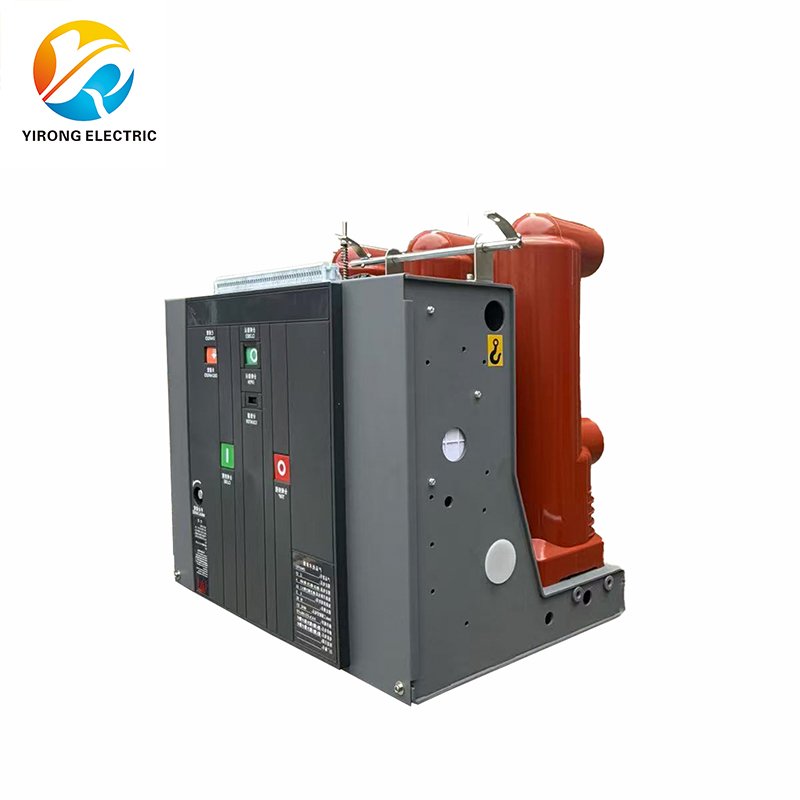
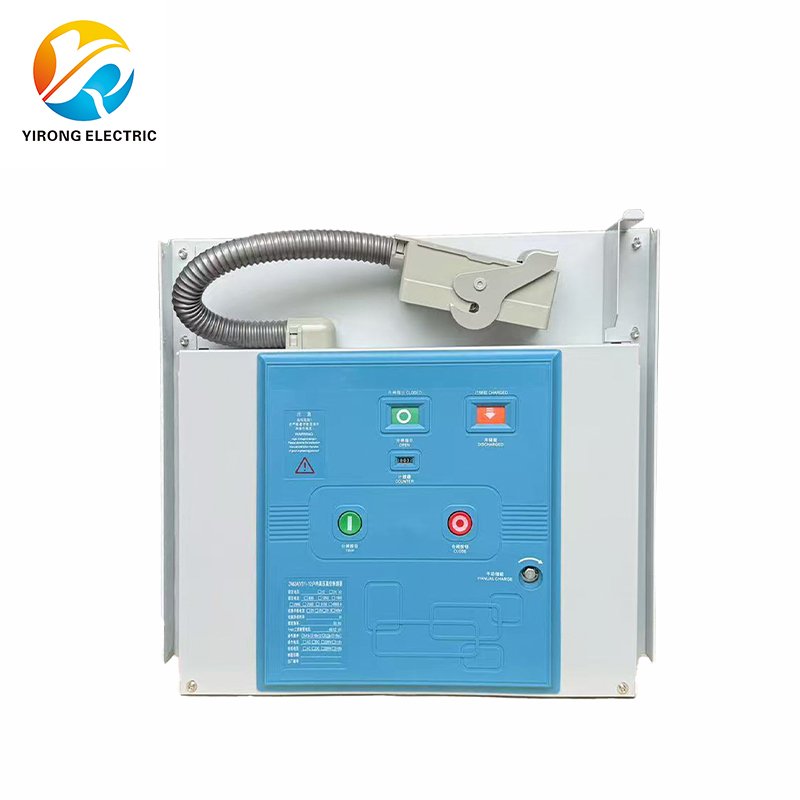
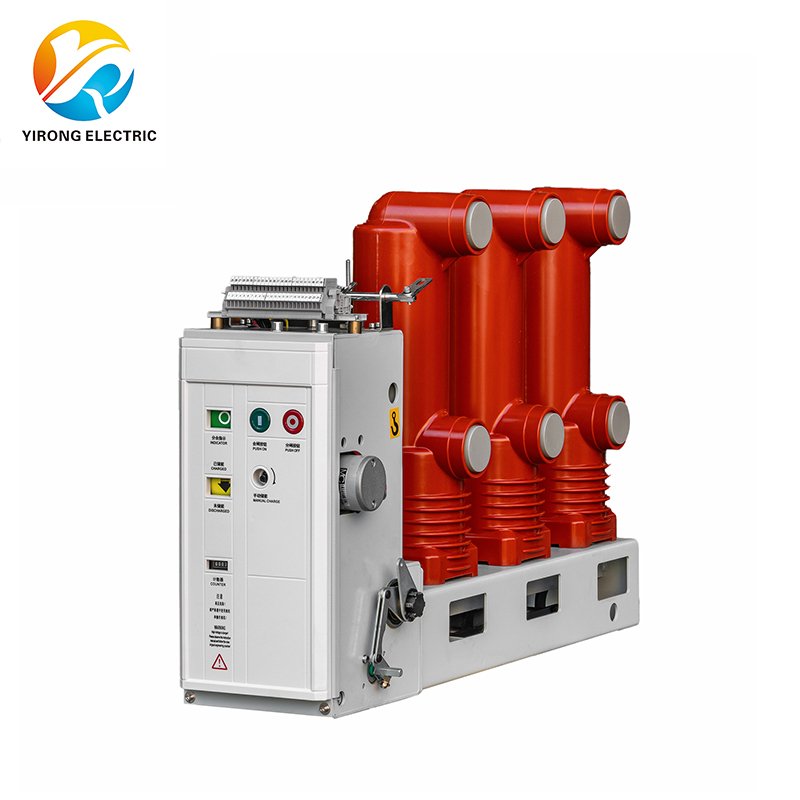
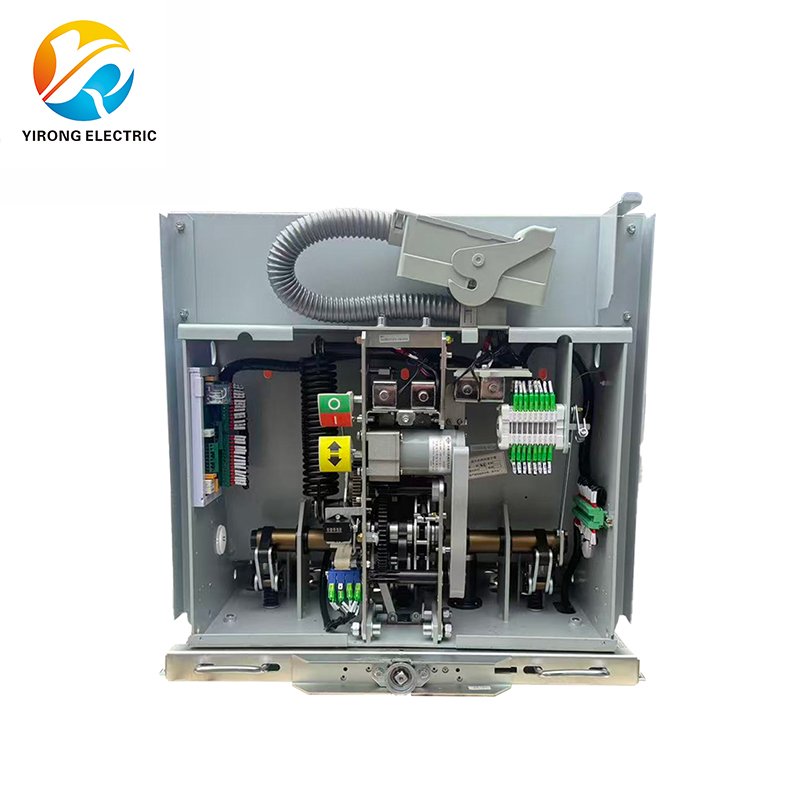
Handles Short Circuits Well
Our 11kV vacuum circuit breaker comes with strong core parts and a smart design. So when a short circuit happens, it acts fast — cuts off the faulty current right away. This stops the problem from getting worse and keeps your whole power system safe. It’s a great fit for 11kV medium voltage grids, where quick response really matters.
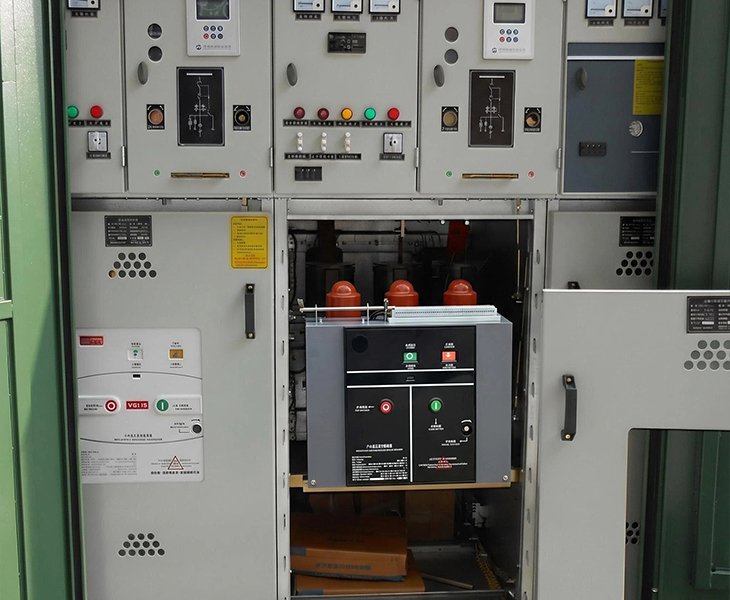
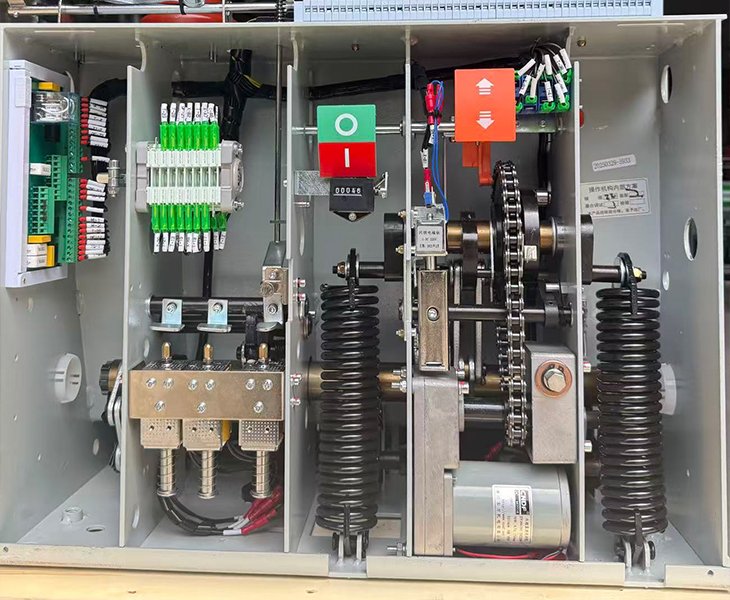
Works at Different Voltages, Stays Stable
This 11kV vacuum circuit breaker is made to handle different voltage levels. Even if the voltage shifts a little, it keeps running smoothly. That’s especially helpful in places where the power grid isn’t always steady.
We use good materials for all the internal parts. So outside interference won’t bother it much. It won’t trip by mistake just because of voltage changes, frequency shifts, or other small issues. That means your factory or commercial building gets steady, reliable power — without unexpected shutdowns.
- Ambient temperature: Between -20°C and +40°C;
- Keep it away from heavy dust, corrosive gases, condensation, and don’t let it get rained on for a long time;
- Normal altitude: Within 1,000 meters; if used in high-altitude areas, you’ll need better insulation.
Humid air can make water form on the surface of the breaker’s insulation parts, which can cause electrical leakage or sparking. Moisture can also get into the secondary circuit and cause short circuits, and it can rust or jam the metal parts of the operating mechanism. In serious cases, this can damage the insulation and cause the breaker to fail.
Possible reasons include: insufficient voltage of the control power supply, broken energy storage motor, faulty energy storage switch, worn transmission gears, stuck or rusted mechanism, or loose circuit connections.