VS1 Vacuum Circuit Breaker – Solid Indoor Protection for Your Power System
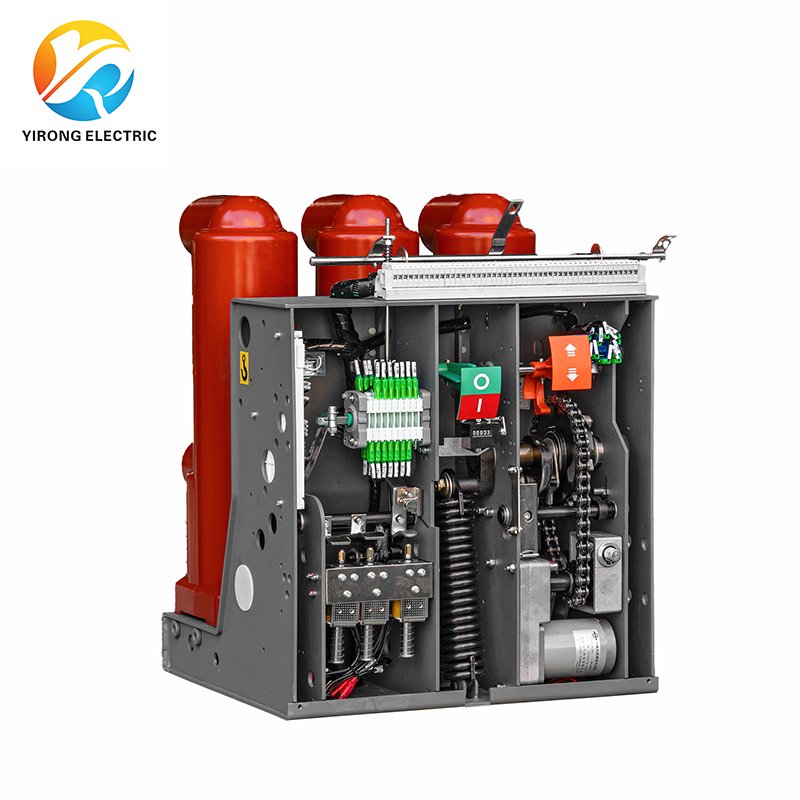
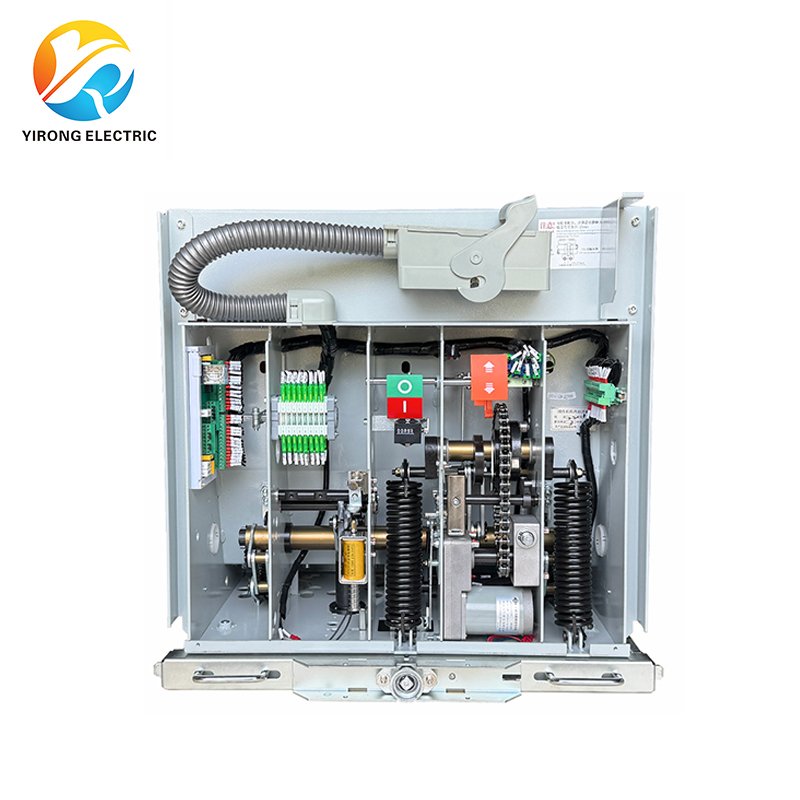
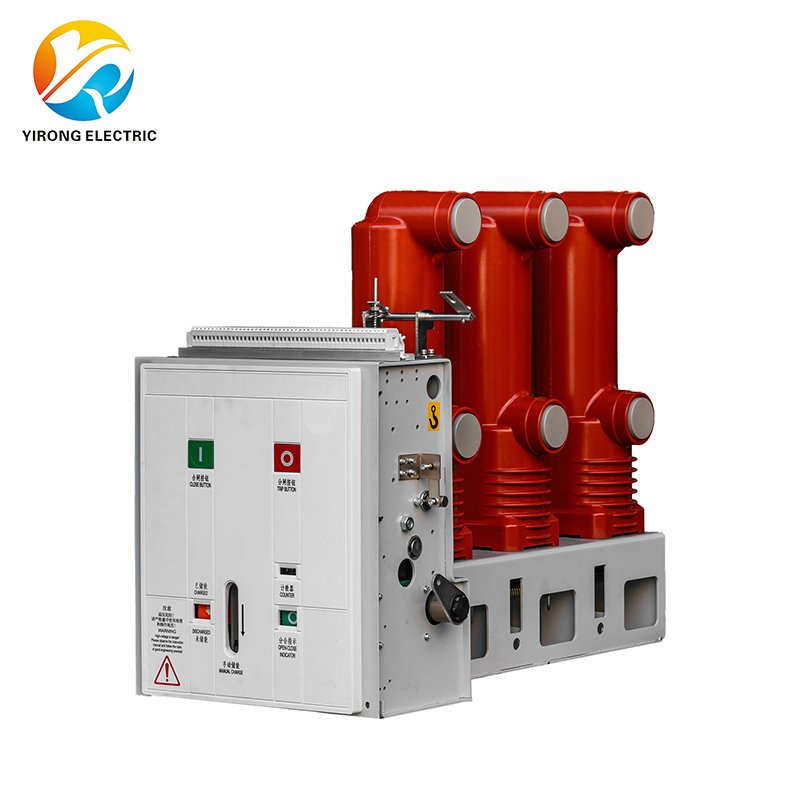
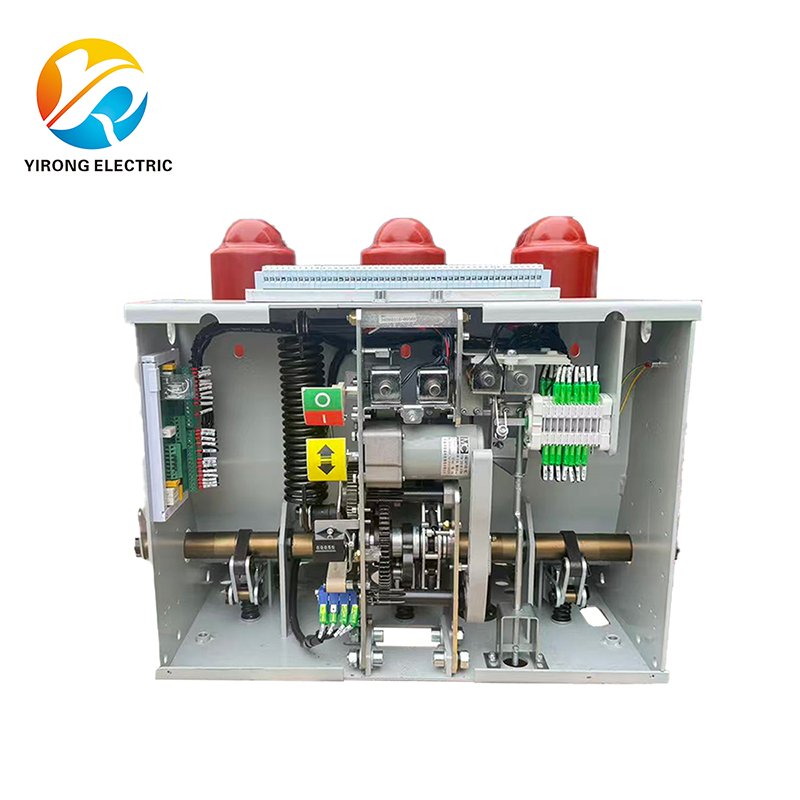
VS1 Vacuum Circuit Breaker is is an indoor high voltage breaker for the power control and protection systems. It’s built to control and protect your power system. It’s a draw-out type, so it’s easy to work with. Day in and day out, it runs steady and reliable.
It has great insulation, a simple design, and strong action. You won’t spend much time on upkeep. It responds fast, runs quiet, and lasts a long time. It works well with all kinds of gear.
Our VS1 vacuum circuit breakers are widely used in indoor substations, distribution rooms, factories, high-rise buildings and urban power systems.
We’ve been making VS1 Vacuum Circuit Breaker for many years. Our solid process and thorough testing mean every unit is stable and dependable. Need changes to the design, specs, or parts? We can do that to fit your site.
We have our own factory, a full supply chain, and fast delivery. That’s how we offer a full range of VS1 Vacuum Circuit Breaker at good prices — with reliable backup when you need it.
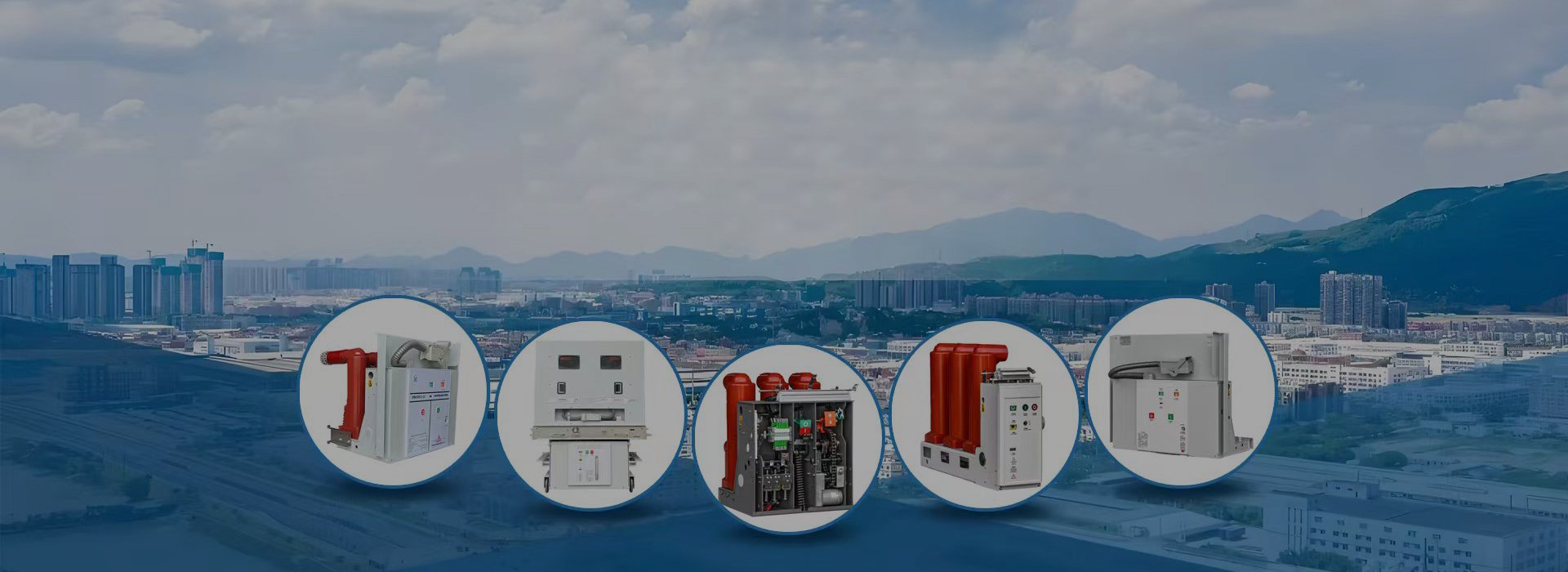
Types of VS1 Vacuum Circuit Breaker
Great at Putting Out Arcs
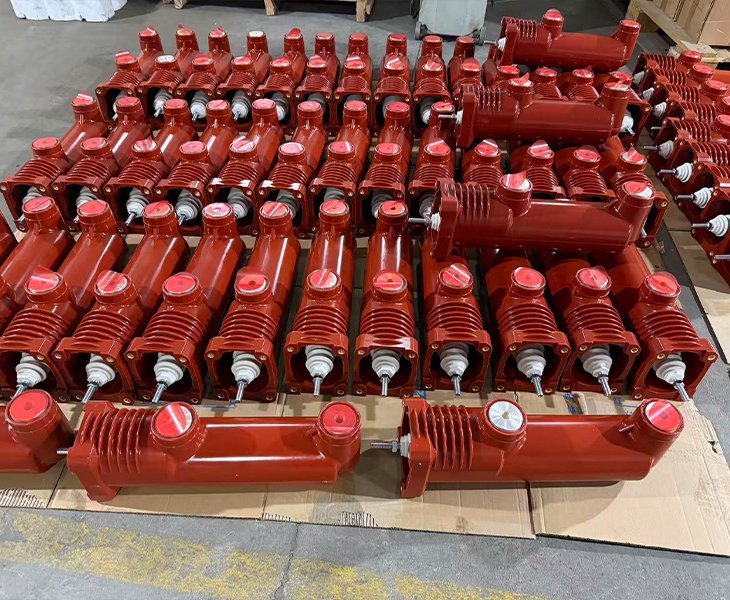
VS1 Vacuum Circuit Breaker uses a high quality vacuum interrupter that’s sealed tight. It kills the arc fast when the current hits zero. It can handle big short-circuit currents, and the insulation bounces back quickly after it trips. That means less chance of restrikes and steady operation no matter the load. Your power system stays safe and sound.
Compact and Easy to Fit
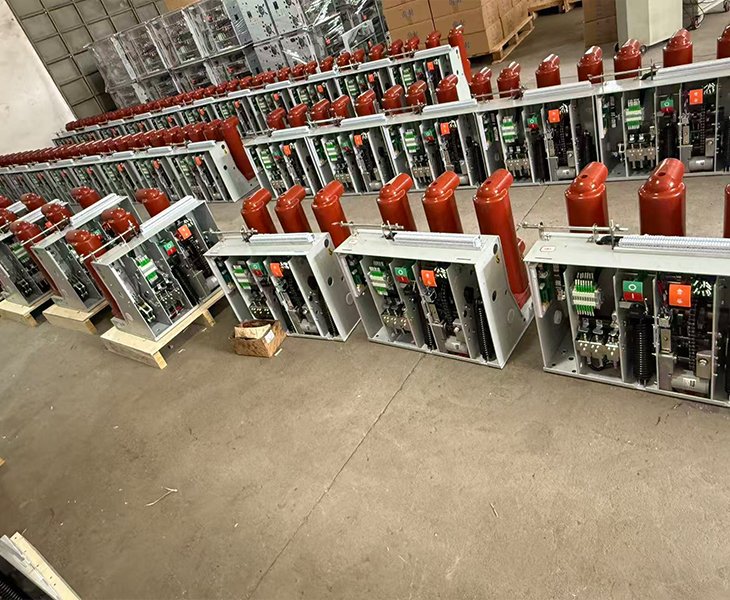
VS1 Vacuum Circuit Breaker is compact and simple — fewer parts, smooth action. You can get it as a draw-out or fixed type, so it fits most standard cabinets and distribution systems. The smart design makes installation and upkeep way easier on site. You’ll see it a lot in factories, city grids, and building power setups.
Yes, but it must be installed and adjusted by experienced technicians. After replacement, safety tests are required to ensure normal use.
Yes, you can operate it manually by storing energy by hand. It works without electricity.
Normally below 1,000 meters.For 1,000–3,000 meters, we recommend a special high-altitude version.