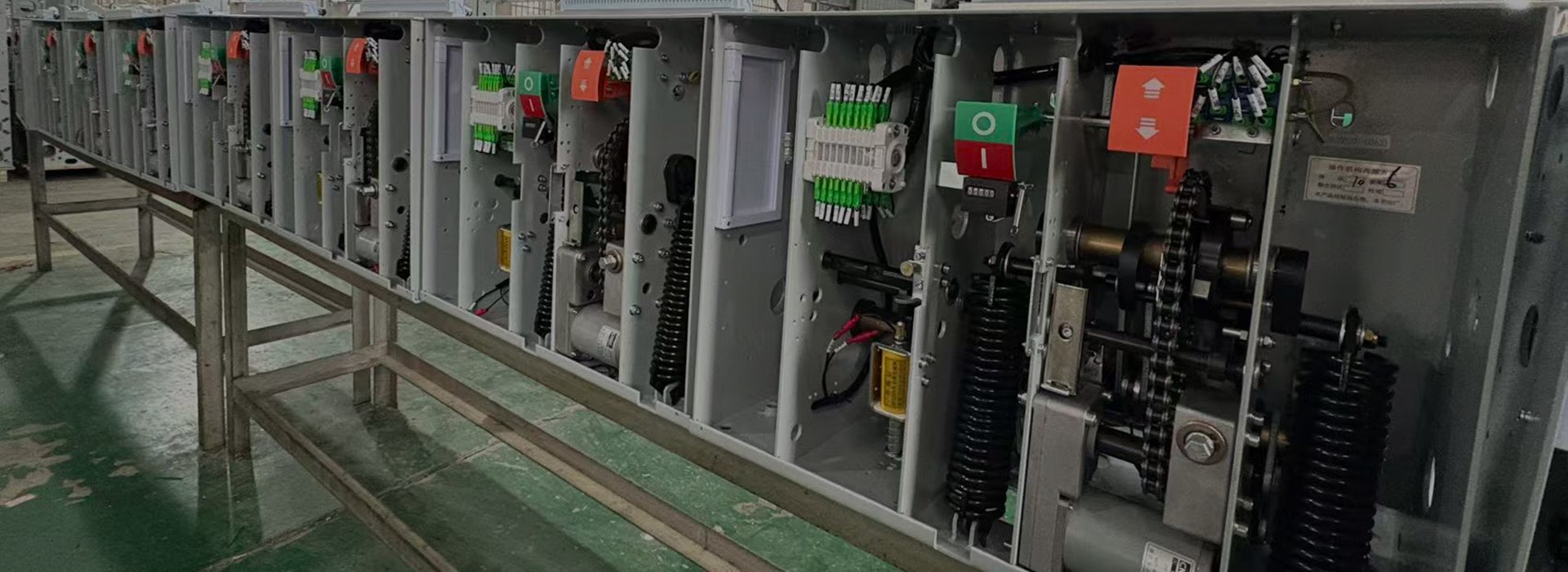
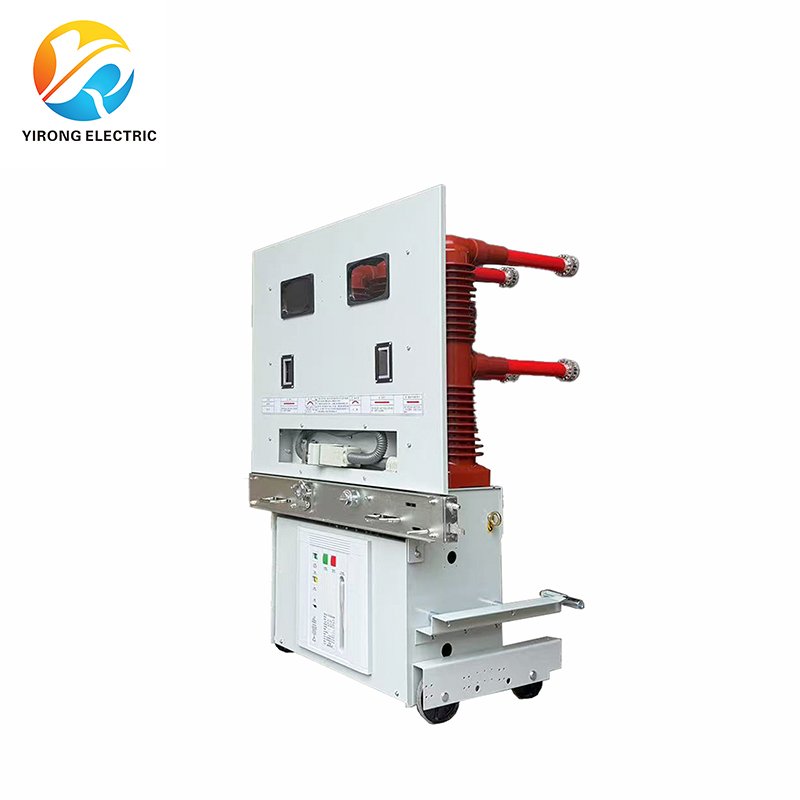
High-voltage circuit breakers are key control and protection devices in power systems. They ensure safe electricity transmission across power grids, industrial production, high-rise buildings, and new energy sectors, requiring reliability, efficiency, and environmental friendliness.
These breakers stabilize grids by interrupting fault currents, isolating faulty sections, and preventing failure spread. Acting as the first defense, they swiftly respond to short circuits and overloads. Critical for industrial machinery, building power distribution, and renewable energy integration, their reliability directly impacts power system efficiency and safety.
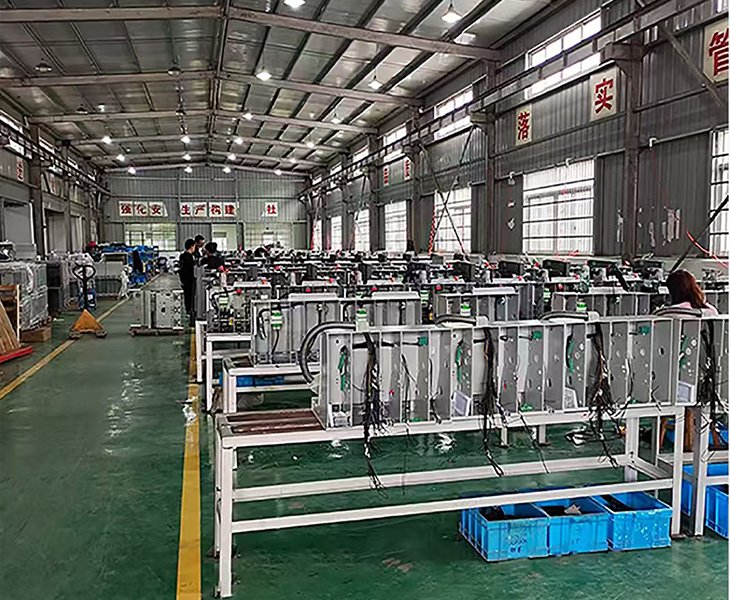
As a manufacturer that has more than 15 years of experience in making high-voltage circuit breakers, Yirong runs the production workshops that belong to itself, which thus lets us make sure there is strict quality control, stable working effect, and quick, on-schedule delivering. We provide the customers all over the world with cost-effective schemes and specialized technique support.
Types of High-Voltage Circuit Breaker
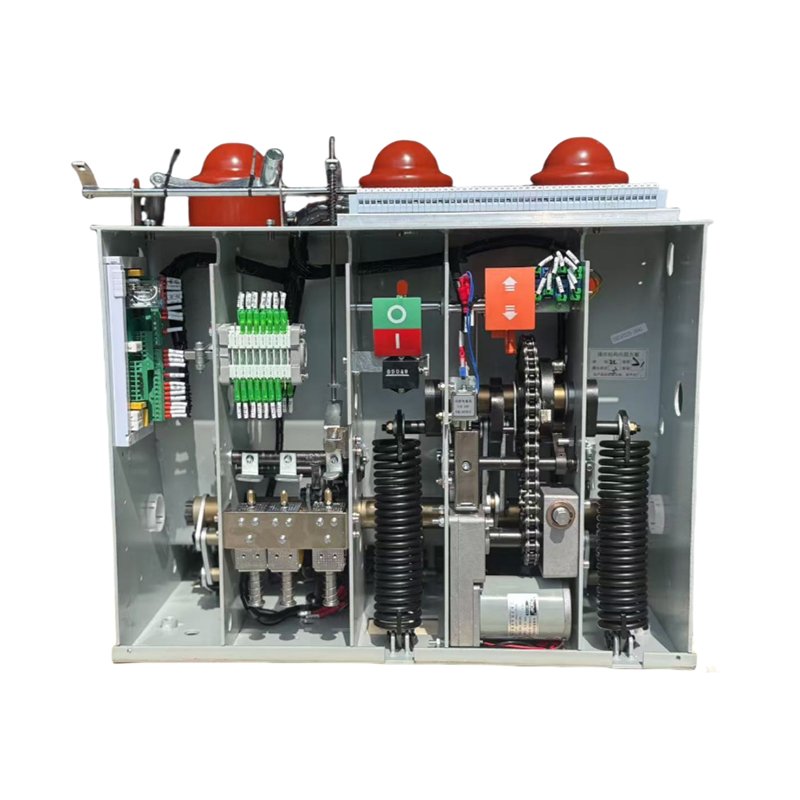
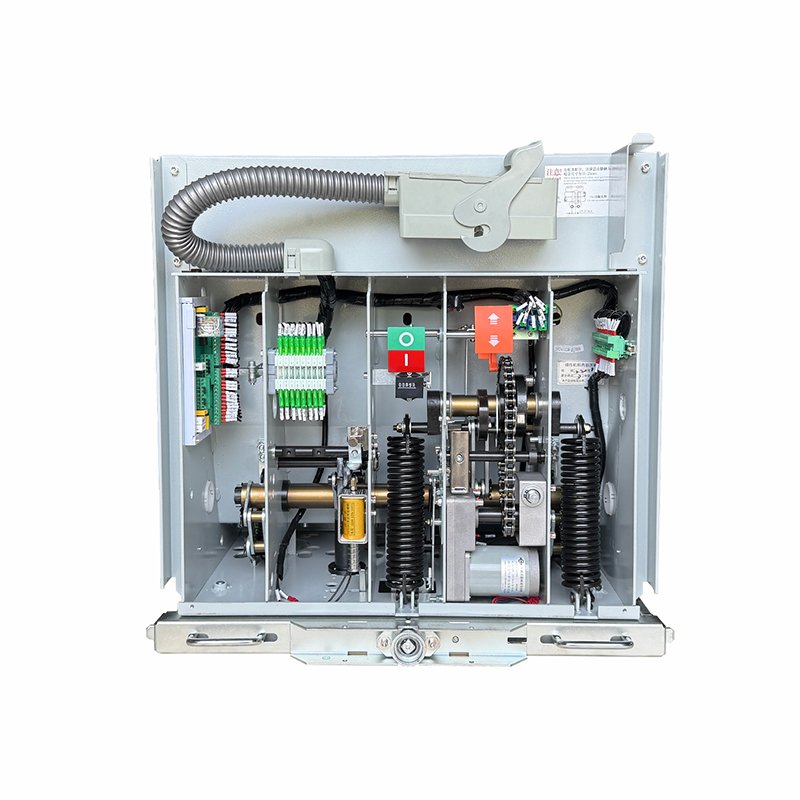
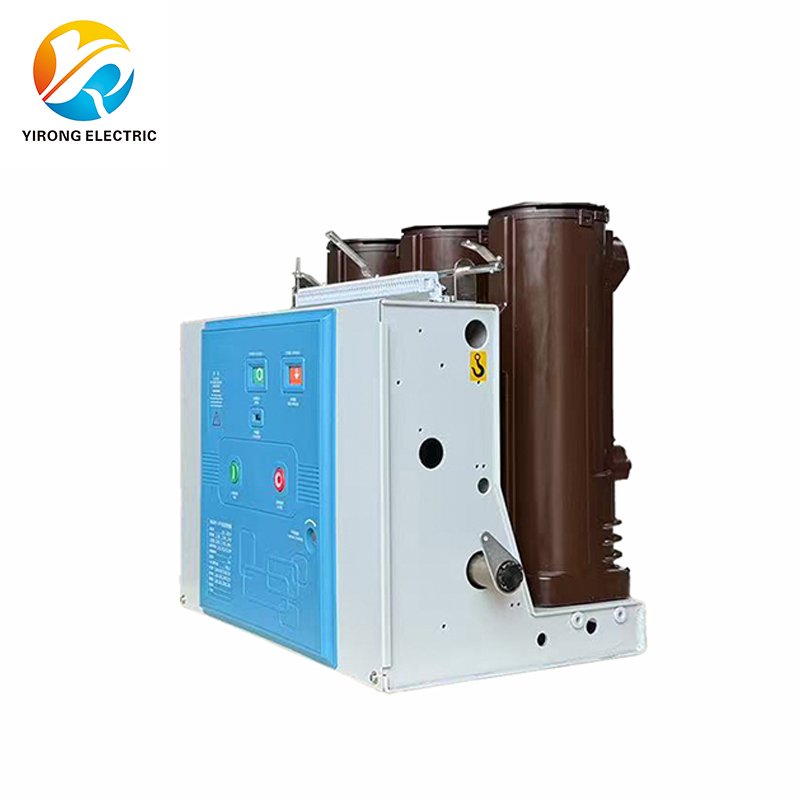
On-Time Delivery
Our production schedules for all High-voltage circuit breaker products are consistent and punctual. Backed by optimized production lines and effective order management, we strictly adhere to the delivery times agreed upon by both parties and never miss a deadline. Furthermore, our flexible production scheduling allows us to efficiently handle both large-volume and urgent orders, ensuring your projects proceed smoothly and on schedule without any disruptions.
Consistent Product Quality
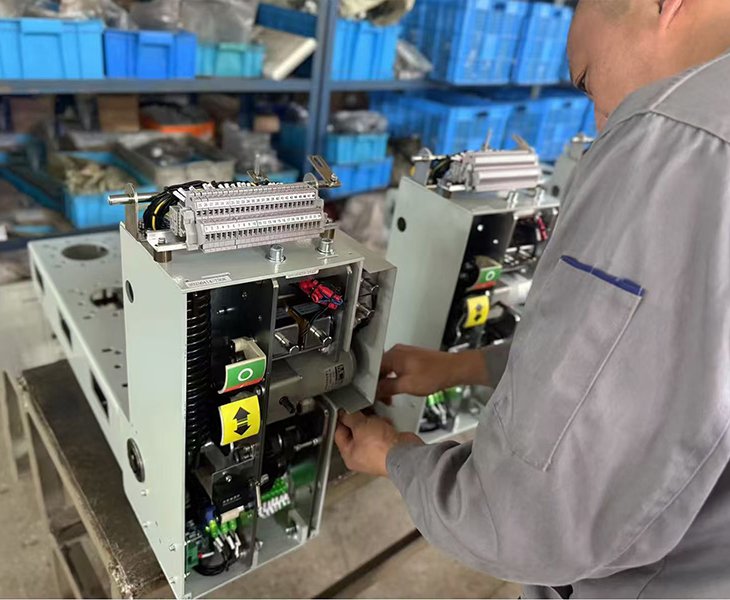
Throughout the production process, we adhere to strict quality standards, utilize high-quality components, and employ proven manufacturing technologies. Every High-voltage circuit breaker is built to be reliable and durable. Each product undergoes professional performance verification and safety testing to ensure the long-term, reliable operation of your power system and reduce your maintenance and replacement costs.
High-voltage circuit breakers are typically inspected once or twice a year, though this depends on how they are used and where they are located. Please refer to the manual and industry guidelines. Check for damage or loose parts, and ensure that the VCB operates smoothly.
Several checks are required:
1. Check to ensure the VCB circuit breaker operates quickly;
2. Inspect the connections;
3. Test the insulation;
4. Check the vacuum cleaner.
This is typically performed by professionals using specialized tools.
The vacuum inside a high-voltage circuit breaker may weaken (though this is rare), components may wear out, and the control system may malfunction. Harsh environmental conditions can also cause problems.