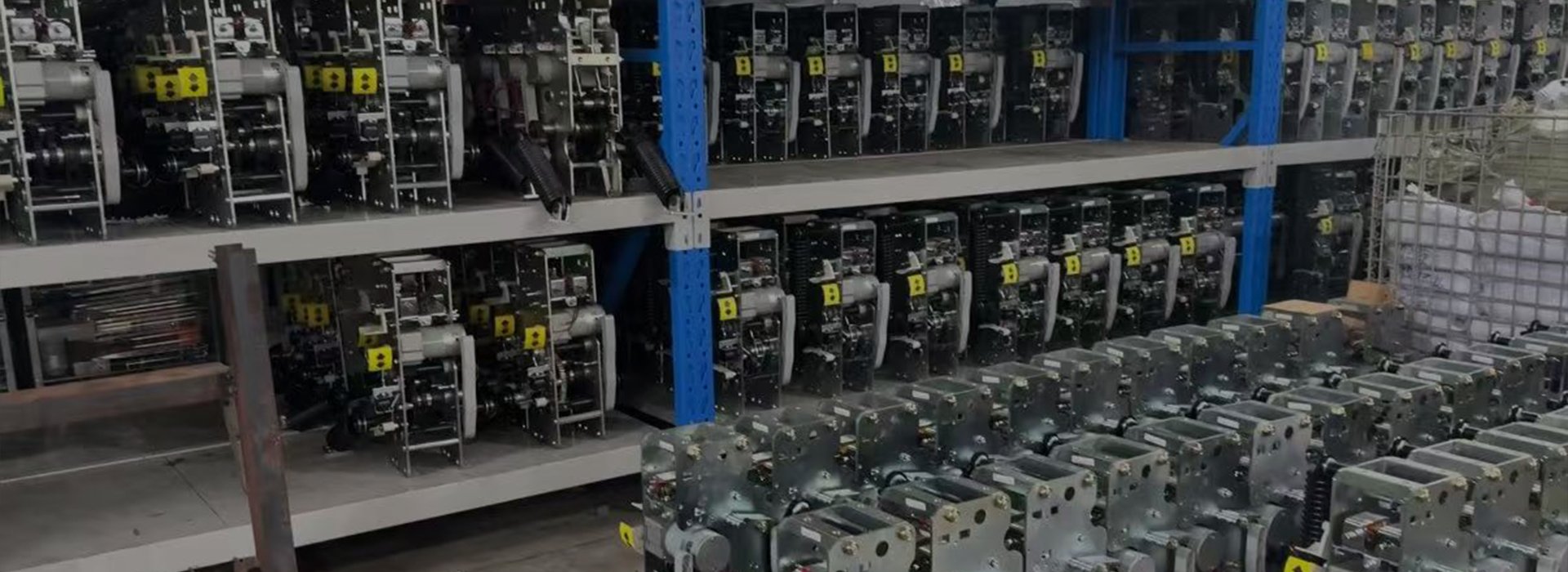
The circuit breaker mechanism is the main drive component of high voltage vacuum circuit breakers. Spring-loaded and permanent magnet types are available. And, the product offers high compatibility and stable performance.
The circuit breaker mechanism has a compact design, rapid operation, long mechanical lift, low noise, easy installation, and high adaptability. Can ensure high operational precision, a low failure rate, and wide voltage compatibility. It is widely used in substations, industrial power distribution systems, New energy projects, and in indoor & outdoor circuit breakers in urban and rural power grids.
We provide customization services for circuit breaker mechanisms. We can match products according to the customer’s drawing and working conditions.
Types of Circuit Breaker Mechanism
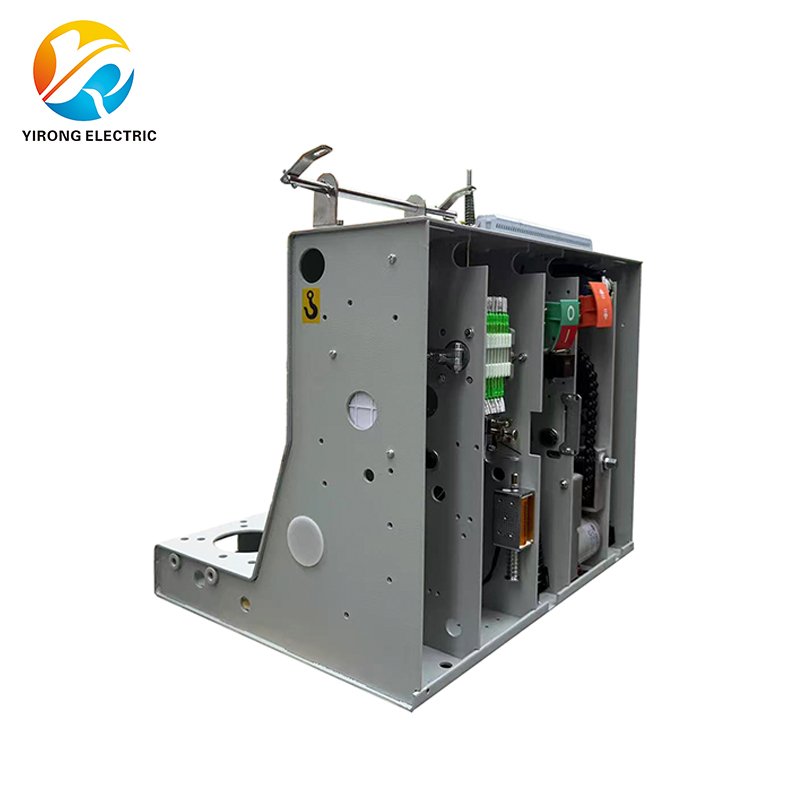
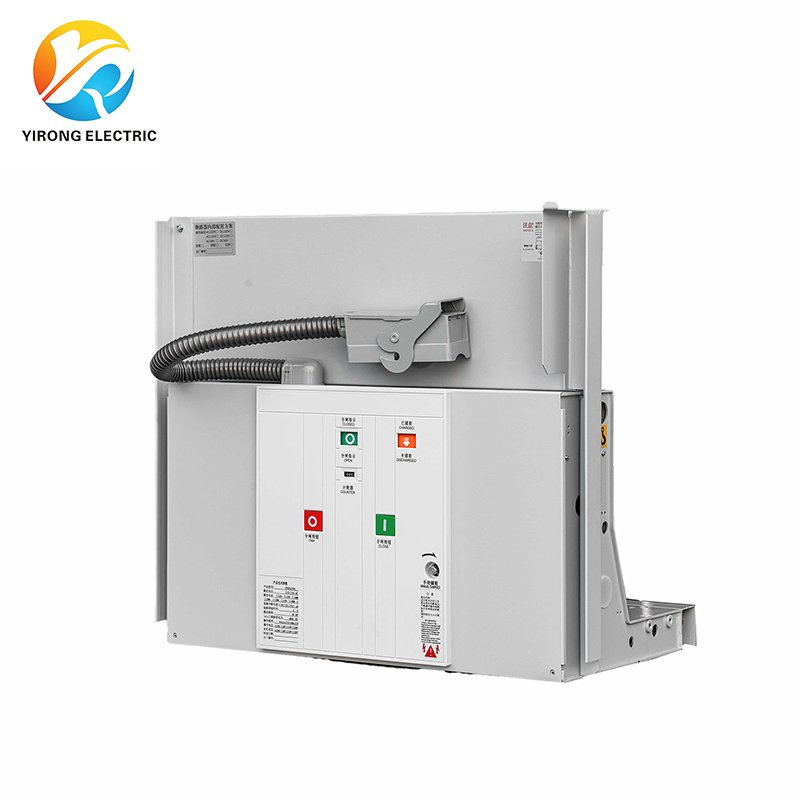
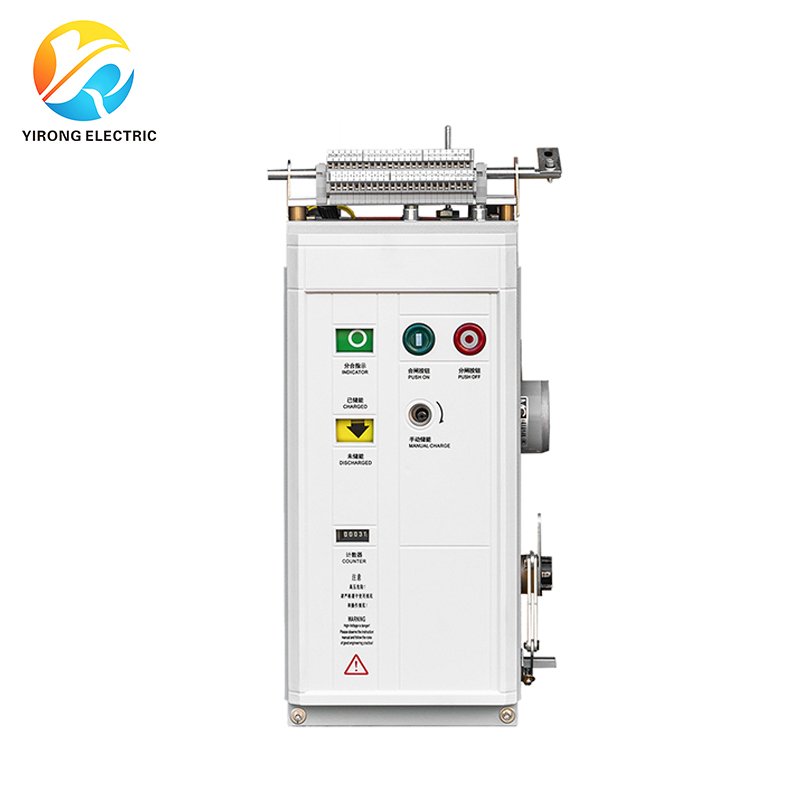
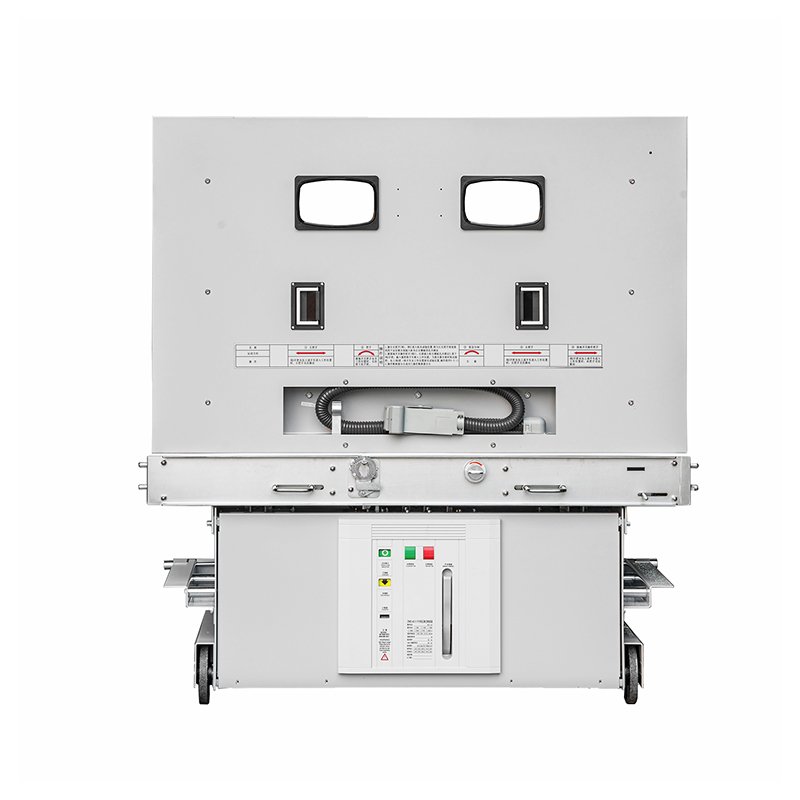
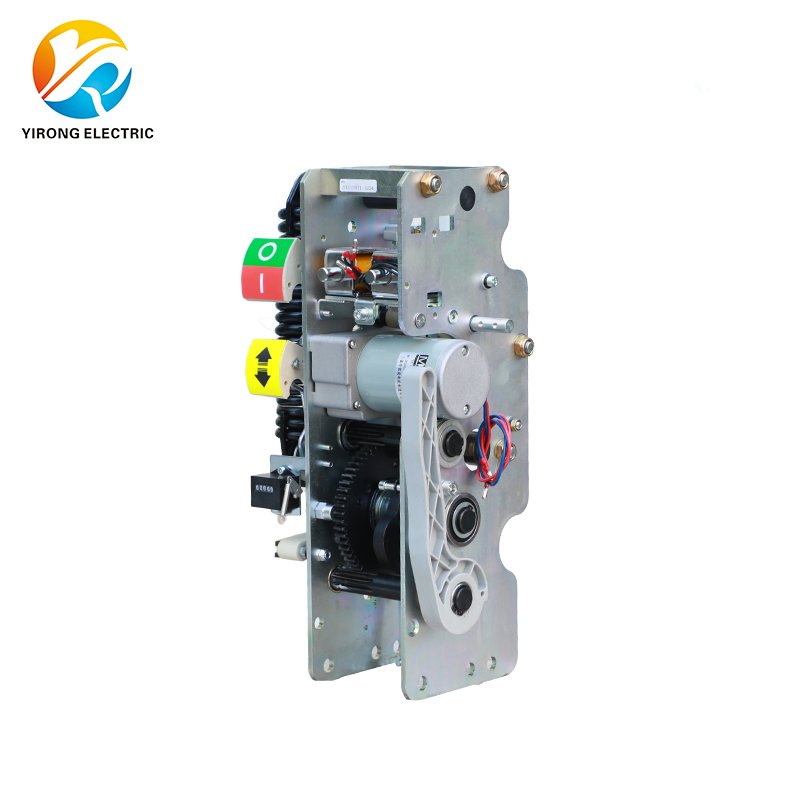
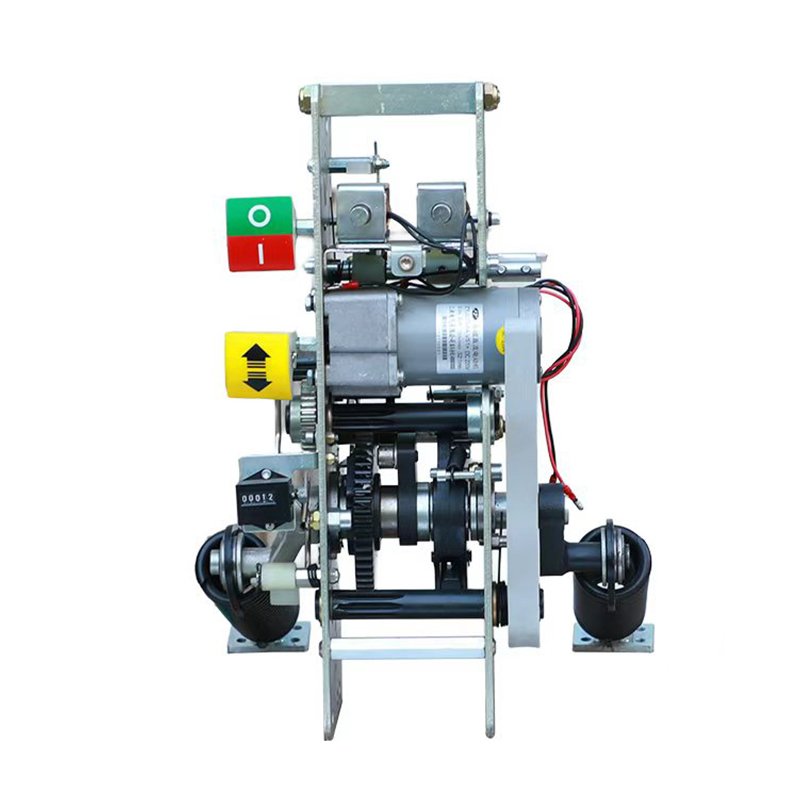
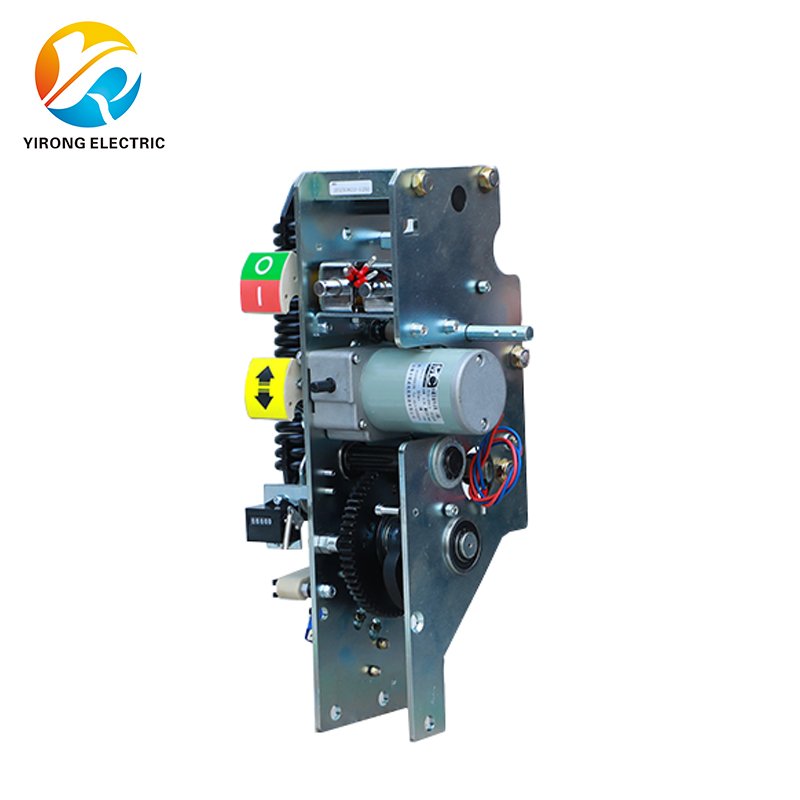
Reliable Mechanism
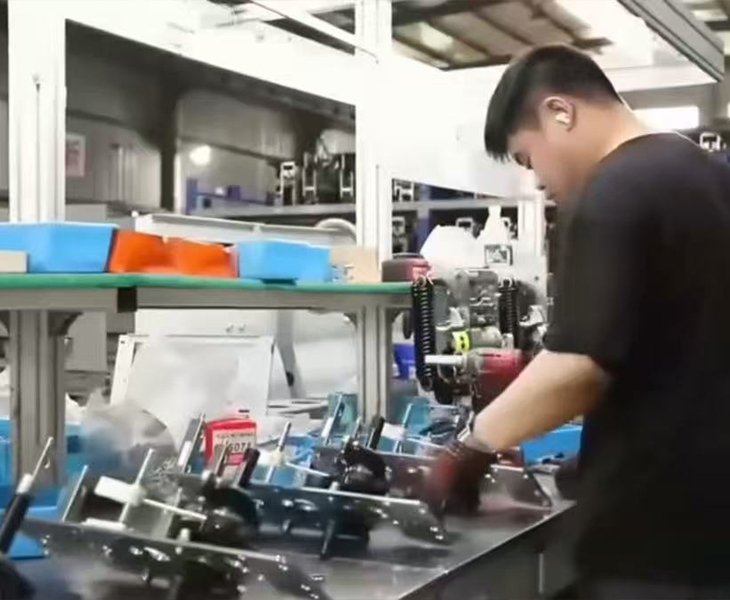
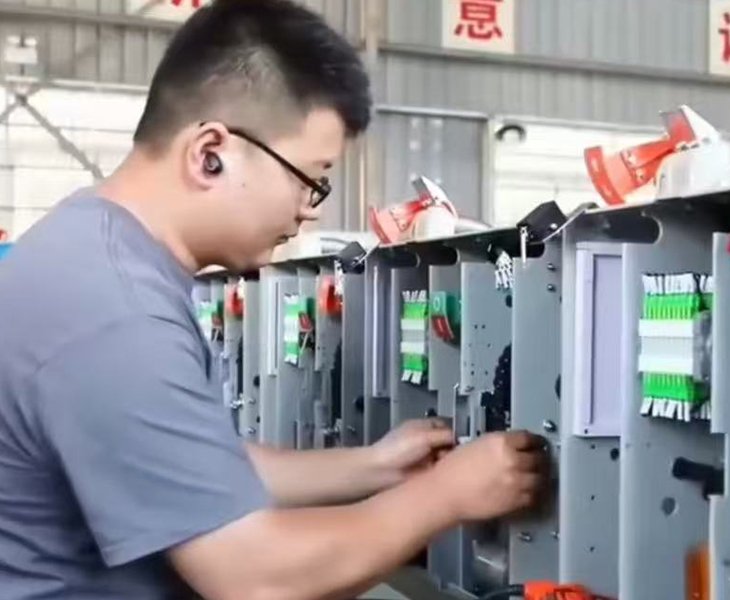
Our circuit breaker mechanism operates smoothly and reliably. It has a robust design and durable components, ensuring every switching operation is smooth and consistent. Mechanical stability helps reduce failures and keep the system running smoothly in the long term.
Long Mechanical Life
The circuit breaker mechanism is designed for long-term use. It uses improved drive mechanisms and wear-resistant components, ensuring good performance throughout a long time use. Even with frequent use, it continues to operate reliably, can reduce maintenance requirements, and improve the reliability of the system.
- Motor does not rotate: Phase loss / low voltage, motor burnout, thermal relay protection tripped, broken circuit
- Motor rotates but fails to store energy: Drive gear slippage, chain / connecting rod disengagement, pawl damage, limit switch jammed
- Manual energization cannot be pulled: Mechanism jammed, bearings seized, closing spring broken
- Not energized or not fully energized
- Closing coil burned out or abnormal resistance
- Closing power supply voltage too low
- Closing circuit open, poor contact in auxiliary contacts
- Mechanism interlocks not released (trip position, drawer position, grounding switch interlocks)
- Wear or slippage of half-shafts or rollers
- Tripping coil burned out or insufficient voltage
- Tripping circuit open or poor contact in auxiliary contacts
- Tripping armature jammed or insufficient travel
- Mechanism half-shaft seized or trip mechanism rusted solid
Emergency procedure: Use manual tripping as a priority.